
“`html
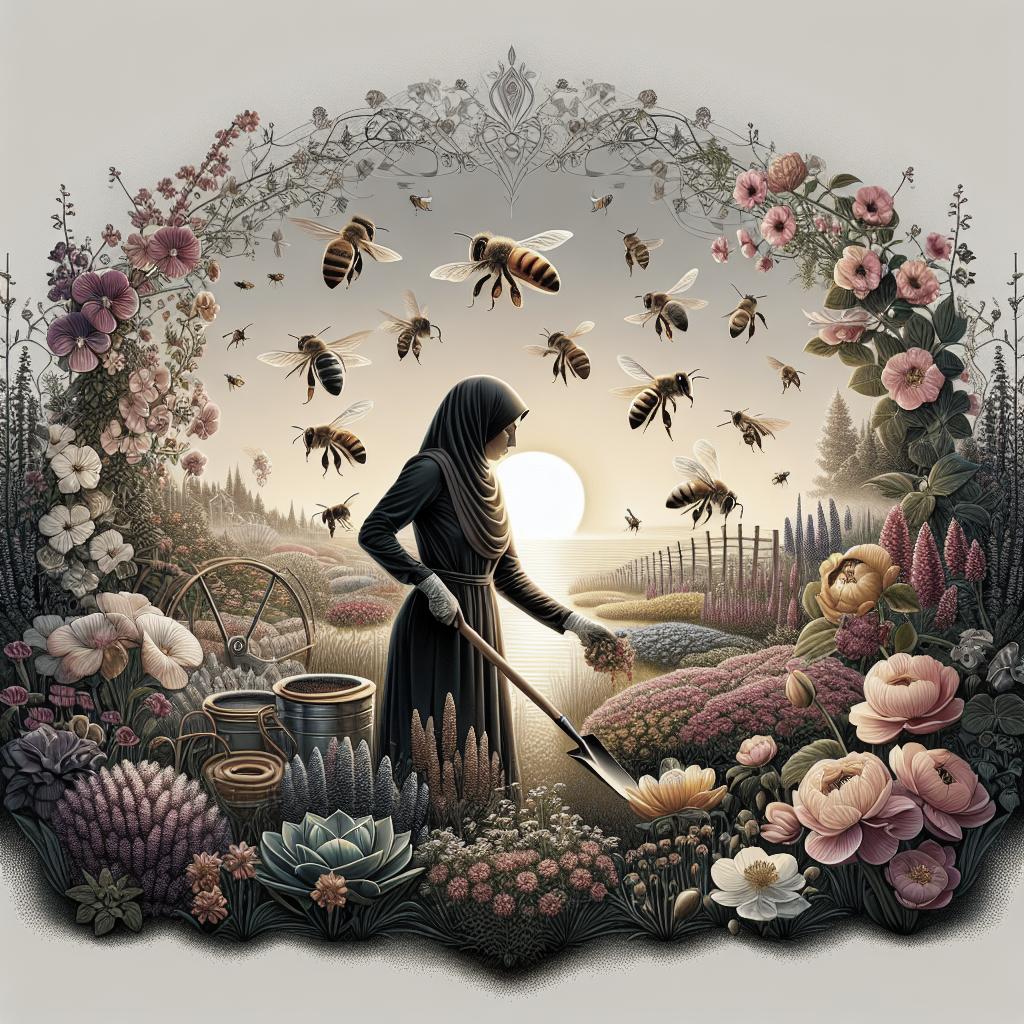
Gardeners around the world often face the challenge of creating gardens that are both visually appealing and beneficial to the environment. One of the most important concerns today is designing spaces that attract and support bees, vital pollinators for ecosystems and agriculture. This blog post will guide you through the plants that attract bees, principles for designing a bee-friendly garden, creating an easy DIY bee house, adopting sustainable practices, understanding the benefits of bees, and dealing with bee stings. By striking the right balance between aesthetics and bee friendliness, you can cultivate a garden that is beautiful, buzzing with life, and contributes to the sustainability of your local environment.
What plants attract bees to your garden?
Bees are naturally attracted to flowers that are rich in nectar and pollen. Some of the top choices for a bee-friendly garden include lavender, sunflowers, and borage. Lavender provides nectar throughout the growing season, while sunflowers offer abundant pollen. Borage, with its star-shaped blue flowers, is a favorite among bees and blooms from early summer to fall.
It’s also essential to include a variety of plants that bloom at different times of the year to provide a consistent food source for bees. Early bloomers like crocuses and late bloomers like asters ensure that bees have access to nectar and pollen from spring to fall. Incorporating native plants that naturally thrive in your local climate can also aid in attracting and supporting local bee populations.
Bee Friendly Garden Design
Designing a bee-friendly garden involves creating diverse habitats that cater to the needs of bees. Integrate different plant heights, from ground covers to medium-sized plants and taller shrubs, to offer various nesting sites and foraging opportunities. Grouping plants together in clusters rather than scattering them can also make it easier for bees to find and collect nectar.
Consider incorporating features such as flowering hedges, wildflower meadows, and small water sources like shallow birdbaths. These elements add visual diversity and functional benefits to your garden. Using organic mulch and avoiding chemical pesticides can help create a healthier environment for bees and other beneficial insects.
How to create a DIY bee house?
Creating a DIY bee house is a fun and rewarding project that can provide additional nesting sites for solitary bees like mason bees and leafcutter bees. Start by choosing a suitable location that is sheltered from wind and rain, ideally facing southeast to catch the morning sun. Gather materials such as untreated wood, bamboo, and hollow stems.
Begin by constructing a simple wooden frame, and then fill it with the hollow stems or bamboo, ensuring they are cut to varying lengths between 4 to 8 inches. Securely pack the materials inside the frame while leaving some space for air circulation. Mount the bee house about 3 to 6 feet off the ground. Remember to clean and maintain the bee house annually to prevent the buildup of parasites and disease.
Sustainable Practices To Create a Bee-Friendly Garden
Adopting sustainable practices can greatly enhance the bee-friendliness of your garden. One of the key practices is composting, which provides nutrient-rich soil for your plants while reducing waste. Using organic fertilizers and avoiding synthetic chemicals helps to maintain a healthy environment free from toxins.
Another sustainable practice is rainwater harvesting. Collecting and using rainwater for your garden reduces reliance on municipal water supplies and provides a natural water source for your plants. Additionally, practicing no-till gardening preserves soil structure and moisture while minimizing disruption to the soil-dwelling organisms that benefit your garden.
What are the benefits of bees for your garden?
Bees play a crucial role in pollinating a wide variety of plants, which in turn contributes to the production of fruits, vegetables, and seeds. By attracting bees to your garden, you can boost the yield of your flowering plants, fruit trees, and vegetable crops. Enhanced pollination not only improves the quality of produce but also increases biodiversity within your garden.
Moreover, bees help sustain the ecosystem by supporting other wildlife, including birds and beneficial insects that rely on flowering plants for food. A healthy population of bees can also serve as an indicator of a thriving environment, reflecting the overall health and sustainability of your garden and surrounding areas.
How to treat a bee sting?
Despite all efforts to coexist peacefully, sometimes bee stings can happen. If you get stung by a bee, the first step is to remove the stinger as quickly as possible to reduce the amount of venom injected. You can do this by scraping the stinger out with a credit card or fingernail. Avoid using tweezers, as squeezing can release more venom.
Wash the sting area with soap and water, then apply a cold compress to reduce swelling and alleviate pain. Over-the-counter pain relievers and antihistamines can help manage symptoms. If you experience severe reactions like difficulty breathing, swelling of the face or throat, or dizziness, seek medical attention immediately, as these could indicate an allergic reaction.
You may also enjoy:
- 10 Ways to Make Your Garden More Sustainable
- Top Pollinator-Friendly Plants to Grow
- Guide to Organic Gardening for Beginners
Lessons Learned
| Aspect | Details |
|---|---|
| Plants that attract bees | Lavender, sunflowers, borage, crocuses, asters |
| Bee friendly garden design | Diverse plant heights, plant clusters, flowering hedges, water sources, organic mulch |
| DIY bee house | Wooden frame, bamboo, hollow stems, southeast facing, 3-6 feet off the ground |
| Sustainable practices | Composting, organic fertilizers, rainwater harvesting, no-till gardening |
| Benefits of bees | Enhanced pollination, increased biodiversity, ecosystem support |
| Treating bee stings | Remove stinger, wash area, cold compress, OTC treatments, seek medical help for severe reactions |
“`

