
“`html
Transcript
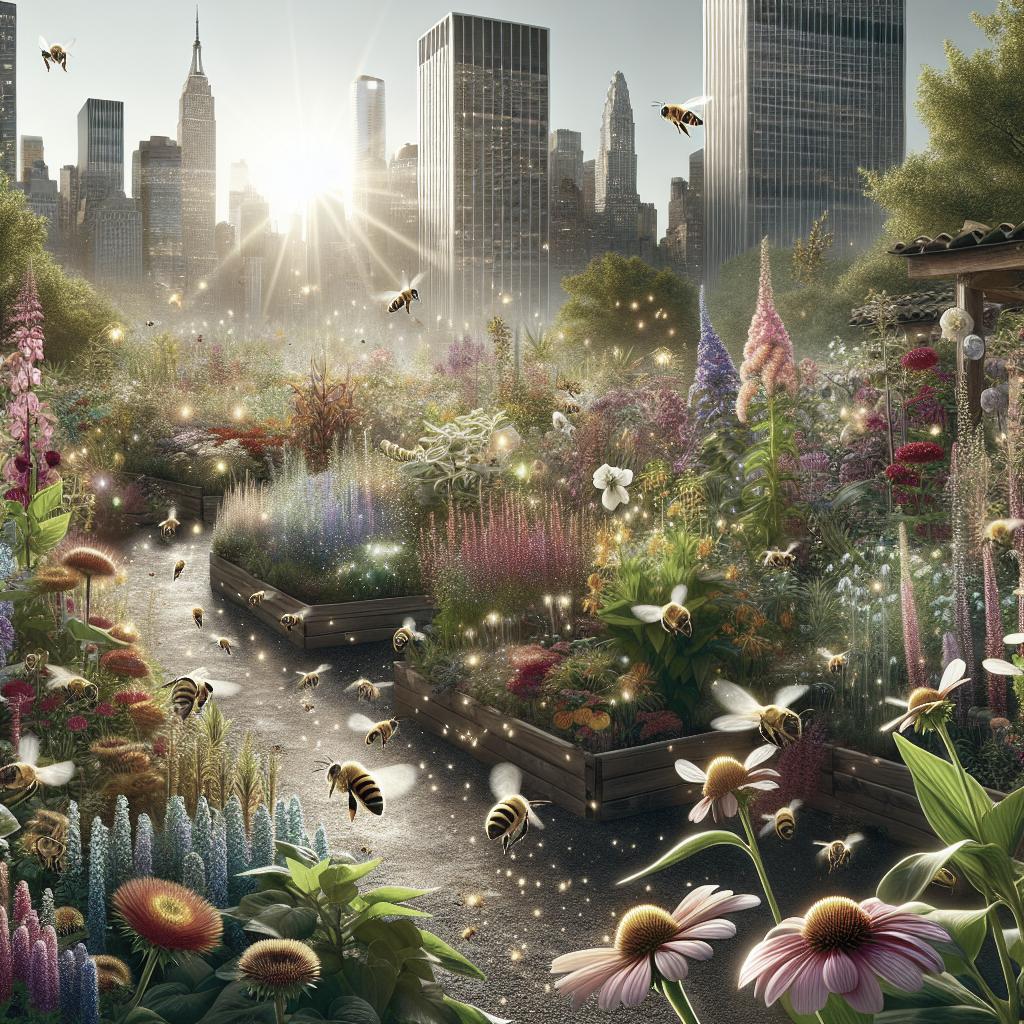
Urban gardens are becoming a cornerstone of city living, offering green sanctuaries amidst the concrete jungle. One significant yet often overlooked aspect of these urban oases is the role of bees. These industrious insects provide numerous benefits that extend far beyond just their hives. From pollination to community building, the presence of bees can profoundly impact urban ecosystems. This blog post will dive deep into the myriad benefits of having bees in urban gardens, informed by expert perspectives and real-world examples.
You can Subscribe and Listen to PolliNation on Apple Podcasts.
If you’re interested in learning more about pollinators and their crucial role in urban ecosystems, subscribing to PolliNation on Apple Podcasts is a fantastic way to stay informed. The podcast delves into everything you need to know about pollinators, featuring interviews with experts, researchers, and garden enthusiasts. By subscribing, you’ll gain access to a treasure trove of information that will enhance your understanding of how these tiny creatures make such a huge impact. Listening to PolliNation can also offer practical tips for encouraging pollinators in your own urban garden. For instance, episodes frequently discuss the best plants and flowers to cultivate for attracting bees. Additionally, the podcast covers global trends and innovative approaches in urban gardening, ensuring that you’re always up-to-date with the latest information.
And be sure to leave us a Rating and Review!
Engagement is a two-way street, and your ratings and reviews on Apple Podcasts can help the PolliNation team continue to provide high-quality, valuable content. When you leave a rating, it not only supports the podcast but also helps other listeners discover this valuable resource. Reviews serve as feedback for the creators, who can then tailor future episodes to better fit the audience’s needs and interests. Whether you have specific questions about urban gardening or are curious about broader topics related to pollinators, your input can drive the focus of upcoming episodes, making PolliNation an even more personalized and useful resource.
Show Notes:
### Enhancing Biodiversity Urban gardens that host bees contribute significantly to enhancing local biodiversity. Bees are prolific pollinators, and their presence ensures that a wide variety of plants can proliferate. This not only benefits the plants themselves but also the creatures that depend on those plants, such as birds and other small insects. By creating a thriving ecosystem, bees help to maintain a balanced, diverse environment in urban gardens. Moreover, a diverse plant life supported by bees can improve the resilience of urban gardens. This resilience is crucial for withstanding environmental stresses, such as fluctuations in weather or potential pests. In turn, a robust and diversified garden can offer a more sustainable habitat for its inhabitants, making urban spaces more vibrant and livable. ### Enhancing Food Supply Having bees in urban gardens doesn’t just beautify the area; it can also enhance the local food supply. Bees are essential for the pollination of many fruits and vegetables. Without them, plants like tomatoes, cucumbers, and various types of berries would have significantly decreased yields. This makes bees indispensable for those interested in urban agriculture and food sovereignty. Additionally, urban beekeeping can provide direct sources of honey and beeswax, further adding to local resources. Local honey can have added health benefits, such as helping with seasonal allergies, and it’s a delicious, natural sweetener. Beeswax can be used for various products ranging from candles to skincare items, supporting local artisans and small businesses. ### Educational Opportunities Urban gardens with bees serve as living classrooms, offering educational opportunities for all ages. Schools, community groups, and individuals can learn firsthand about the importance of bees and the broader ecosystem. Such gardens can host workshops, bee-keeping courses, and hands-on activities that make learning both fun and impactful. By engaging with these educational opportunities, urbanites develop a better understanding of the natural world. This awareness can translate into more sustainable living habits and greater community involvement in environmental conservation efforts. The knowledge gained from these activities can inspire new generations of eco-conscious city dwellers.
Links Mentioned:
If you’re looking to start or improve your urban garden to be more bee-friendly, numerous resources are available to guide you. Websites like [Bee City USA](https://www.beecityusa.org/) provide extensive information on how to create and maintain habitats for pollinators. Additionally, organizations such as the [Pollinator Partnership](https://www.pollinator.org/) offer valuable insights and resources to help you support bees in your community. For those interested in urban beekeeping, [The Honeybee Conservancy](https://thehoneybeeconservancy.org/) offers starter kits and educational materials. Community forums and local gardening clubs are also great places to connect with like-minded individuals and share experiences. By utilizing these resources, you can make your urban garden a haven for bees and a model of biodiversity.
Lessons Learned
| Subheading | Key Points |
|---|---|
| Transcript | Summary of the benefits of having bees in urban gardens: enhancing biodiversity, improving food supply, educational opportunities. |
| You can Subscribe and Listen to PolliNation on Apple Podcasts. | Information on the value of subscribing to PolliNation for insights into pollinators and urban gardening. |
| And be sure to leave us a Rating and Review! | Encouragement to leave ratings and reviews to support the podcast and guide future episodes. |
| Show Notes: | Discussion on the benefits bees bring to urban gardens including biodiversity, enhanced food supply, and educational opportunities. |
| Links Mentioned: | Resources for creating bee-friendly urban gardens and exploring urban beekeeping. |
“`

